does gestational diabetes cause weight loss How does gestational diabetes affect the fetus
Gestational diabetes is a condition that affects many women during pregnancy. It is characterized by high blood sugar levels, and if left untreated, it can have serious consequences on both the mother and the baby. In this article, we will look at the risks and effects of gestational diabetes on the baby.
Increased Risk of Health Problems
Babies born to mothers with gestational diabetes have a higher risk of developing health problems compared to babies born to mothers who do not have diabetes. Some of these health problems include:
- Macrosomia: This is a condition where the baby is born weighing more than 9 pounds.
- Hypoglycemia: This is a condition where the baby’s blood sugar levels drop too low after birth.
- Respiratory Distress Syndrome: This is a condition where the baby has difficulty breathing after birth.
- Birth Defects: Babies born to mothers with uncontrolled gestational diabetes have a higher risk of developing birth defects such as heart defects and neural tube defects.
It is important to note that not all babies born to mothers with gestational diabetes will develop these health problems. However, the risk is higher compared to babies born to mothers who do not have the condition.
Higher Risk of Developing Type 2 Diabetes
Babies born to mothers with gestational diabetes are also at a higher risk of developing type 2 diabetes later in life. This is because exposure to high blood sugar levels in the womb can have long-term effects on the baby’s metabolism. It is important for these babies to be monitored for the development of type 2 diabetes as they grow older.
Prevention and Treatment
The good news is that gestational diabetes can be prevented or controlled through lifestyle modifications such as eating a healthy diet, regular exercise, and maintaining a healthy weight. In some cases, medication may be needed to control high blood sugar levels. It is important for women who have been diagnosed with gestational diabetes to follow their healthcare provider’s recommendations closely to ensure the best possible outcomes for both themselves and their babies.
Conclusion
In conclusion, gestational diabetes can have serious consequences on the baby if left untreated. Babies born to mothers with gestational diabetes have a higher risk of developing health problems and type 2 diabetes later in life. However, the condition can be prevented or controlled through lifestyle modifications and medication if necessary. It is important for women who have been diagnosed with gestational diabetes to work closely with their healthcare provider to ensure the best possible outcomes for themselves and their babies.
Diabetes and Weight Loss: The Relationship Explained
Diabetes is a condition where the body is unable to properly regulate blood sugar levels. There are two main types of diabetes: type 1 and type 2. Both types of diabetes can cause weight loss, but for different reasons.
Type 1 Diabetes and Weight Loss
Type 1 diabetes is an autoimmune disorder where the body attacks the cells in the pancreas that produce insulin. Insulin is a hormone that helps the body use glucose for energy. Without insulin, the body cannot use glucose for energy and starts breaking down fats and proteins instead. This can result in weight loss, even if the person is eating more than usual.
Type 2 Diabetes and Weight Loss
Type 2 diabetes is a condition where the body becomes resistant to insulin, and the pancreas is unable to produce enough insulin to compensate. This results in high blood sugar levels, which can cause weight gain. However, in some cases, people with type 2 diabetes may experience weight loss, particularly if their blood sugar levels are poorly controlled. This can happen because the body is unable to use glucose for energy and starts breaking down fats and proteins instead.
How to Manage Weight Loss with Diabetes
If you have diabetes and are experiencing weight loss, it is important to talk to your healthcare provider. They can help determine the cause of the weight loss and develop a plan to manage it. In general, people with diabetes should aim to maintain a healthy weight through a combination of regular exercise and a healthy diet.
Conclusion
In conclusion, both type 1 and type 2 diabetes can cause weight loss. However, the reasons for the weight loss are different. If you have diabetes and are experiencing weight loss, it is important to talk to your healthcare provider to determine the cause and develop a plan to manage it.

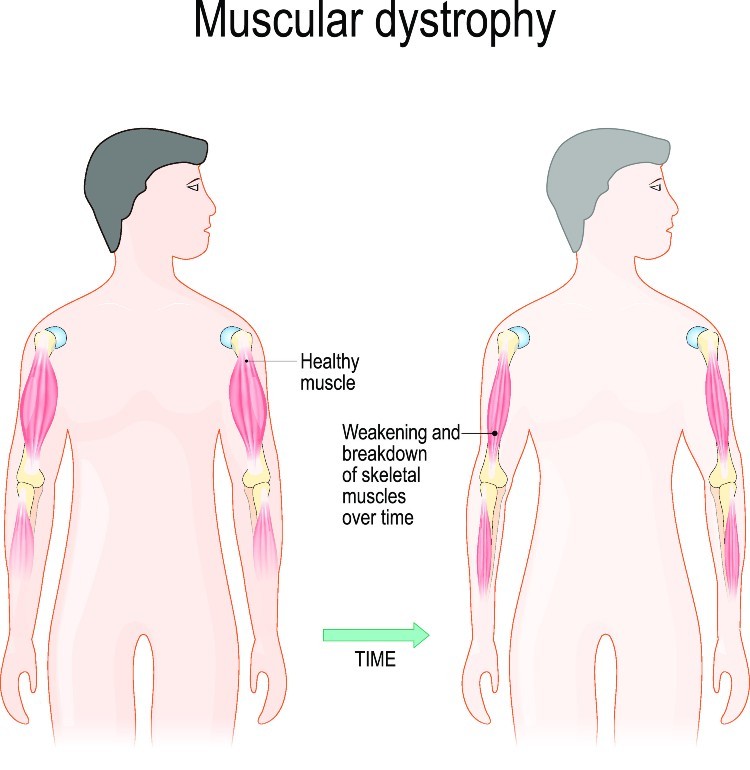 If you are searching about Does Diabetes Cause Weight Loss? | Relationship Between Diabetes and you’ve came to the right place. We have 5 Pics about Does Diabetes Cause Weight Loss? | Relationship Between Diabetes and like Gestational Diabetes A Disease Which Occurs In Pregnant Women - Whatafy, Diabetes: A Comprehensive Guide (2021) and also How gestational diabetes can affect baby – Health. Read more:
Does Diabetes Cause Weight Loss? | Relationship Between Diabetes And
www.breathewellbeing.indiabetes unexplained intended
Diabetes: A Comprehensive Guide (2021)
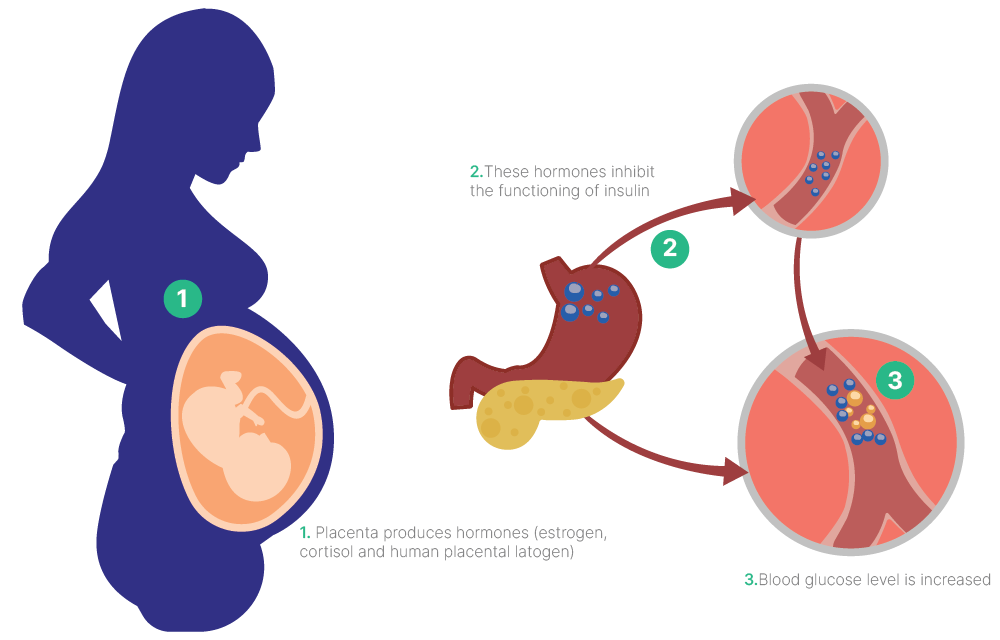 www.emeds.pkdiabetes gestational cause several problems create
Gestational Diabetes A Disease Which Occurs In Pregnant Women - Whatafy
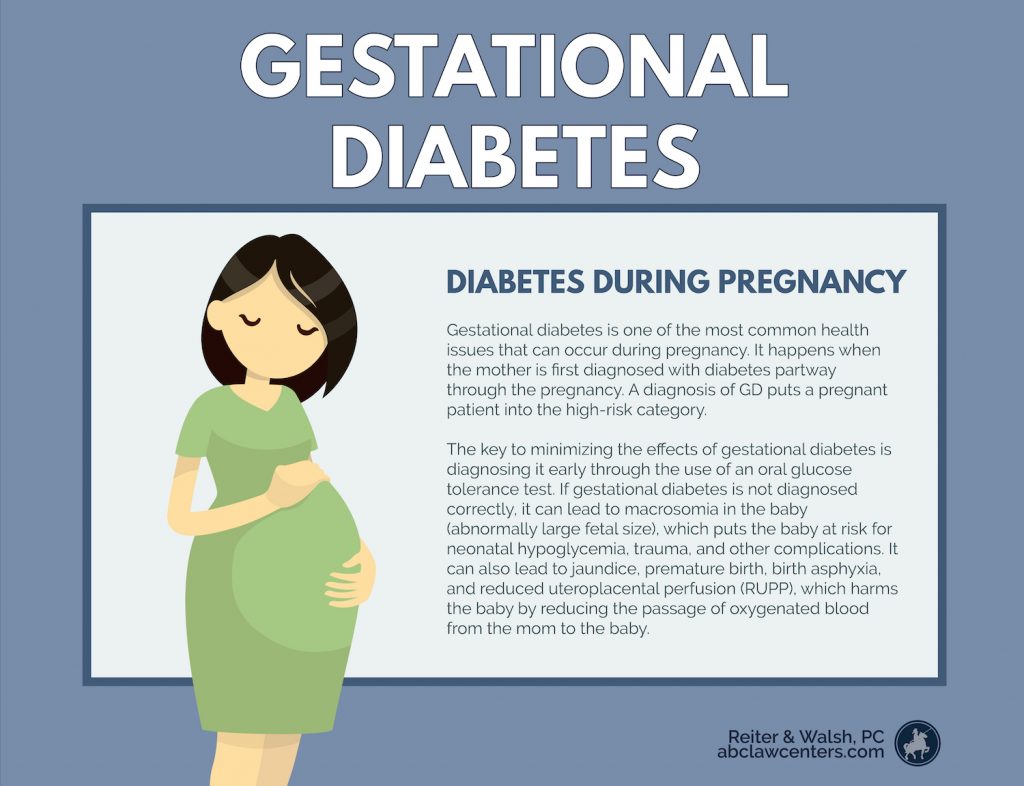 whatafy.comdiabetes gestational complications occurs pregnancy delivery injuries birth diabeteswalls
How Gestational Diabetes Can Affect Baby – Health
medicalcases.eugestational affect risks maternal fetal
How Does Gestational Diabetes Affect The Fetus - DiabetesWalls
 diabeteswalls.blogspot.comgestational macrosomia fetal gdm fetus placenta mellitus hrb diabeteswalls
Does diabetes cause weight loss?. Gestational macrosomia fetal gdm fetus placenta mellitus hrb diabeteswalls. How does gestational diabetes affect the fetus