is vegetable oil a hydrocarbon Hydrogenated vegetable risks restriction conducted comprehensive
Petroleum-based fuels have been the go-to choice for the transportation industry for many decades now. However, the negative impact of these fuels on the environment and climate has become increasingly apparent in recent times. Hence, there has been a growing demand for alternative fuels that are both sustainable and eco-friendly. This has led to the rise of biofuels in recent years with Hydrotreated Vegetable Oil (HVO) being one of the most promising alternatives.
Petroleum vs. HVO
While petroleum-based fuels are known for their high energy density, they are also known for their negative environmental impact. They are a major contributor to greenhouse gas emissions and air pollution, which in turn results in severe health problems for both humans and the environment.
HVO, on the other hand, is a biofuel made from vegetable oils or animal fats that are put through a hydrotreating process. The hydrotreating process involves the use of hydrogen and a catalyst to break down the carbon chains of the oils or fats and remove impurities. This process converts the oils/fats into a pure, liquid hydrocarbon with similar properties to diesel fuel, without the harmful emissions.
Advantages of HVO
There are a number of advantages to using HVO as a biofuel. Firstly, it is a renewable energy source since it is made from highly abundant and renewable raw materials like plant oils and animal fats. Secondly, it has a much lower carbon footprint compared to petroleum-based fuels, which makes it a more sustainable and eco-friendly alternative. It emits up to 90% fewer greenhouse gases compared to regular diesel fuel, which makes it an ideal choice for companies that are looking to reduce their carbon emissions and environmental impact.
Another advantage of using HVO is that it is biodegradable and doesn’t contain any heavy metals, which makes it much safer for use than regular diesel fuel. Petroleum-based fuels contain a number of toxic substances like benzene, toluene, and xylene, which are known to be carcinogenic and can cause serious health problems. HVO, on the other hand, is free from these heavy metals and chemicals, which makes it much safer for use and reduces the impact on the environment and human health.
Bioremediation Advantages
In addition to being a sustainable biofuel, HVO can also be used for bioremediation. Bioremediation is the process of using microorganisms to remove pollutants from the environment. HVO can be used to stimulate the growth of bacteria that can feed on heavy metals and hydrocarbons, removing them from soil and water.
Petrolsynth, for example, has developed a technology that harnesses the ability of certain microorganisms to degrade and transform petroleum contaminants into harmless byproducts. This technology can be used to clean up contaminated soil and groundwater, reducing the need for costly and potentially hazardous remediation strategies.
Conclusion
HVO represents a sustainable and eco-friendly alternative to traditional petroleum-based fuels. It has a much lower carbon footprint, emits fewer greenhouse gases, and is biodegradable, making it much safer for use and better for the environment. Additionally, it can be used for bioremediation, providing an additional benefit to companies and communities. With the development of new technologies and research in this field, HVO is set to be a major player in the future of sustainable transportation and energy.
 Solar Impulse Efficient Solution
 Rapid Energy
If you are searching about Hydrogenated Vegetable Oil and Its Health Risks - Cutting Calories you’ve came to the right web. We have 5 Pics about Hydrogenated Vegetable Oil and Its Health Risks - Cutting Calories like Catalysts | Free Full-Text | Review of Heterogeneous Catalysts for, Hydrotreated Vegetable Oil (HVO) Explained - Rapid Energy and also Hydrogenated Vegetable Oil (HVO) - Dragon Petroleum. Read more:
Hydrogenated Vegetable Oil And Its Health Risks - Cutting Calories
 cuttingcalories.comhydrogenated vegetable risks restriction conducted comprehensive
Hydrotreated Vegetable Oil (HVO) Explained - Rapid Energy
rapidenergy.co.ukhydrotreated explained hvo
Catalysts | Free Full-Text | Review Of Heterogeneous Catalysts For
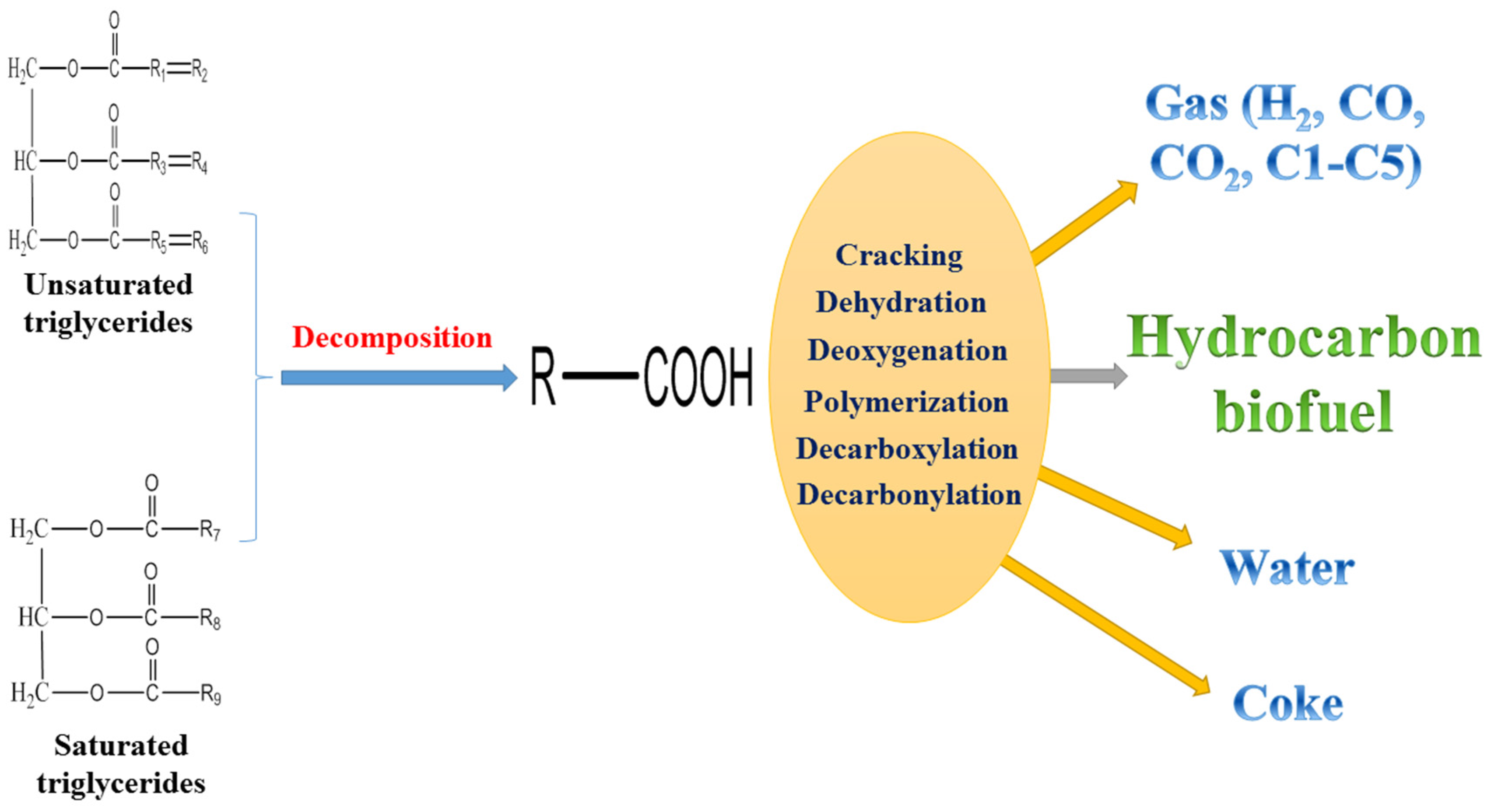 www.mdpi.comcatalysts vegetable hydrocarbon oils figure upgrading biofuels heterogeneous catalytically into review
PETROLSYNTH - Solar Impulse Efficient Solution
solarimpulse.comHydrogenated Vegetable Oil (HVO) - Dragon Petroleum
 www.dragonpetroleum.co.ukhydrogenated
Catalysts vegetable hydrocarbon oils figure upgrading biofuels heterogeneous catalytically into review. Hydrogenated vegetable oil (hvo). Hydrogenated vegetable risks restriction conducted comprehensive